
Literature
The Japanese literature is very different from the western literature. It is an important part of their culture. Reflecting not only what was happening at the time, but also their hopes and dreams.
The Japanese literature began heavily influenced for the cultural contact with China and for its literature, often in classical Chinese.
Eventually the Japanese literature has been shedding the influence of Chinese literature and has taken its own course to become a special and distinct style. The Japanese began to write works of their own culture.
The Japanese literature can be divided into four periods; Nara period (710-794) , Heian period (794- 1185), Kamakura-Muromachi Period(1185-1573), Edo period and Meiji Period to present.
For a while the tradition were tell orally until a writing system was introduced to Japan in the Nara Period (710-794).

From there, legends, myths and stories start to be wrote. Also, works of Chinese characters were used and modified in Japanese syntactic formats. The sentences were morphologically similar to Chinese but were read phonetically as Japanese creating the first form of kana or syllabic writing known as man'yōgana.
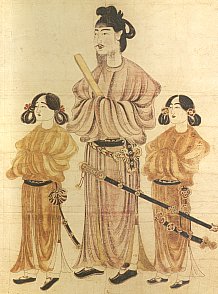
From there, legends, myths and stories start to be wrote. Also, works of Chinese characters were used and modified in Japanese syntactic formats. The sentences were morphologically similar to Chinese but were read phonetically as Japanese creating the first form of kana or syllabic writing known as man'yōgana.
During the Heian Period (794-1185)
 developed in the eleventh century was used the hiragana alphabet (Chinese). The women played an important role in the progress of literature. Also, the published novels, stories, assays, tales and diaries stand out for its complete descriptions of Japanese lives.
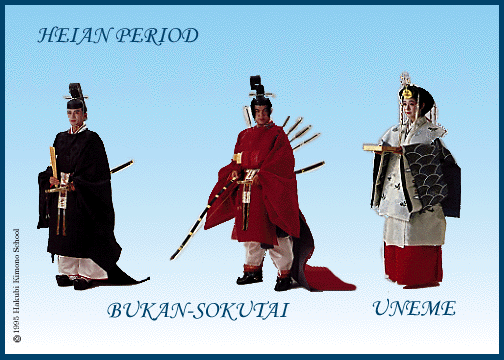
Then, around the seventeenth and nineteenth century the literature was born as a way of general debate.
This period was call Edo period (1603-1868).

The Renga (poem) and the haiku were created.
This period was call Edo period (1603-1868).
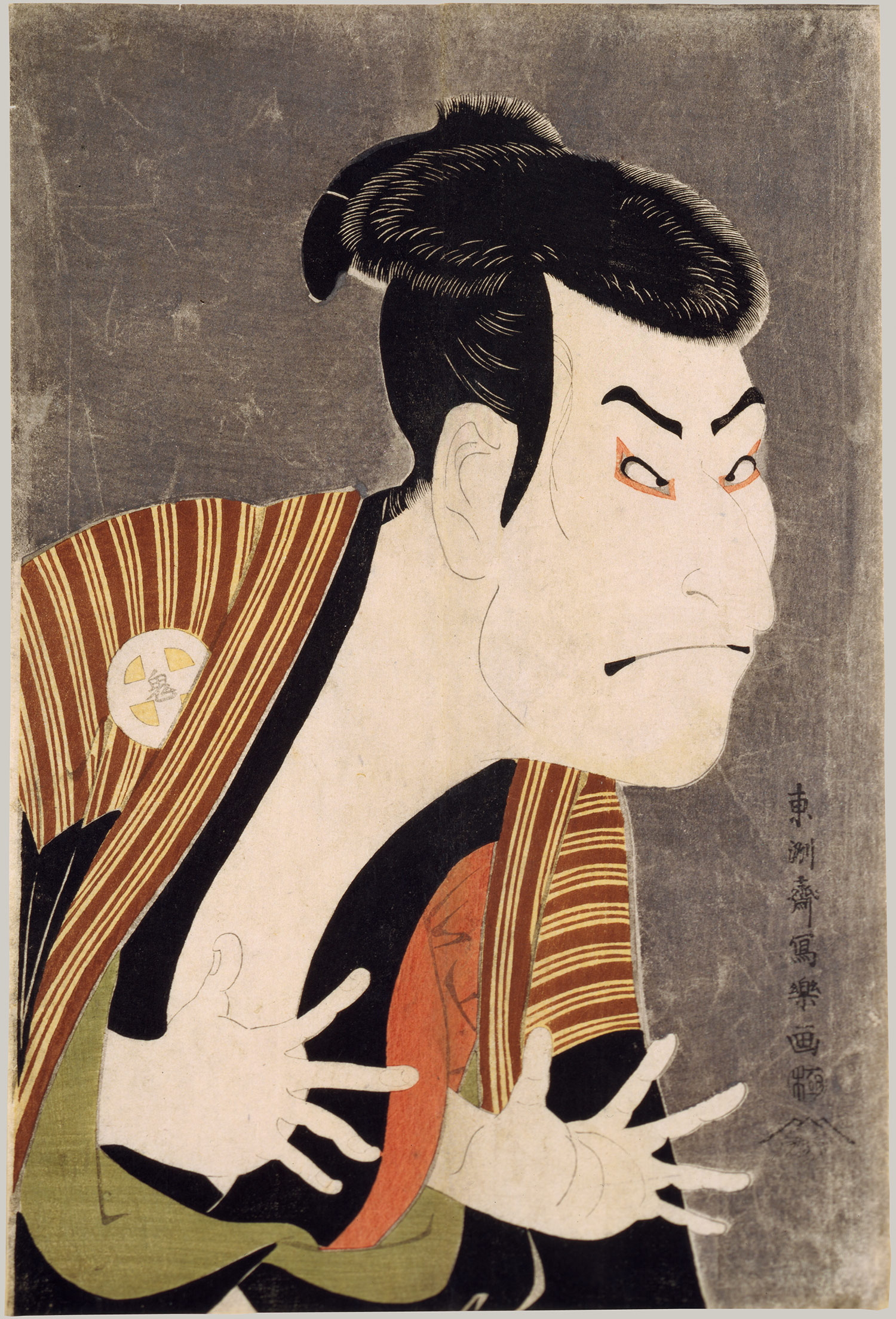
The Renga (poem) and the haiku were created.
The principal idea of the haiku (haikai in plural) is to say much in few words, according with the Japanese culture, the beauty is based in how much you can reflex straightforwardly, for that reason it is very difficult to translate them. haiku known as the shorter form of poetry usually represent the sensation of a season, scenes of the daily routine that we usually do not realize.
the normal structure of a haiku according to an explanation given by Harold G. Henderson (American academic Japanologist) it consist on 17 japan syllables into a line of 5-7-5 a clear example extracted from a creative writing page is a poem written by Noah from Kings Park, NY, USA called “the essence of summer”, and it goes like:
|The| Ma|ssive| ri|pples| = 5 syllables
|Mar|ching| on|to| the| mute| shore| = 7 syllables
|Un|der| the| bright| sun| = 5 syllables
As we can see the structure keeps the same syllables number of the first and the last verse and the middle verse is the larger one. All this just to keep the beauty of this small poem.
Through the Japanese literature the western countries have been able to try to understand such a different culture, with a total different way of seeing the world. For example the hara-kiri (a ritual type of suicide) that is to maintain the honor of the defeated warrior could not be understood without knowing the whole context in which takes place. That was something that the American soldiers couldn’t understand in the Second World War. Even movies such as Star Wars have a base in the traditional Japanese literature.
The Japanese literature plays an important role in their culture. And also has a huge influence in our culture. It has allow the people outside of that island to understand in a better way how the Japanese people talk, think, their values and their way to see the world that surrounds them.
References:
Japanese literature. (2012). Encyclopædia Britannica. Encyclopædia Britannica Ultimate Reference Suite. Chicago: Encyclopædia Britannica.
Nobel Prize winners by year. (2012). Encyclopædia Britannica. Encyclopædia Britannica Ultimate Reference Suite. Chicago: Encyclopædia Britannica.
haiku. (2012). Encyclopædia Britannica. Encyclopædia Britannica Ultimate Reference Suite. Chicago: Encyclopædia Britannica.
Kanzaki masahide. (1998).Text from "Japan: A Pocket Guide, 1996 Edition"
Reference: Research Institute for Publication, Shuppan shihyo nenpo.
haiku in english. (1965) Henderson G. Harold extracted in August the 28th. from http://eric.ed.gov/?id=ED019266
haiku. (2011) youtube, broadcast yourself published by cae12810 extracted in August the 26th
A Brief History of Haiku. (2001) Kevin Kizer extracted in August the 26th.


